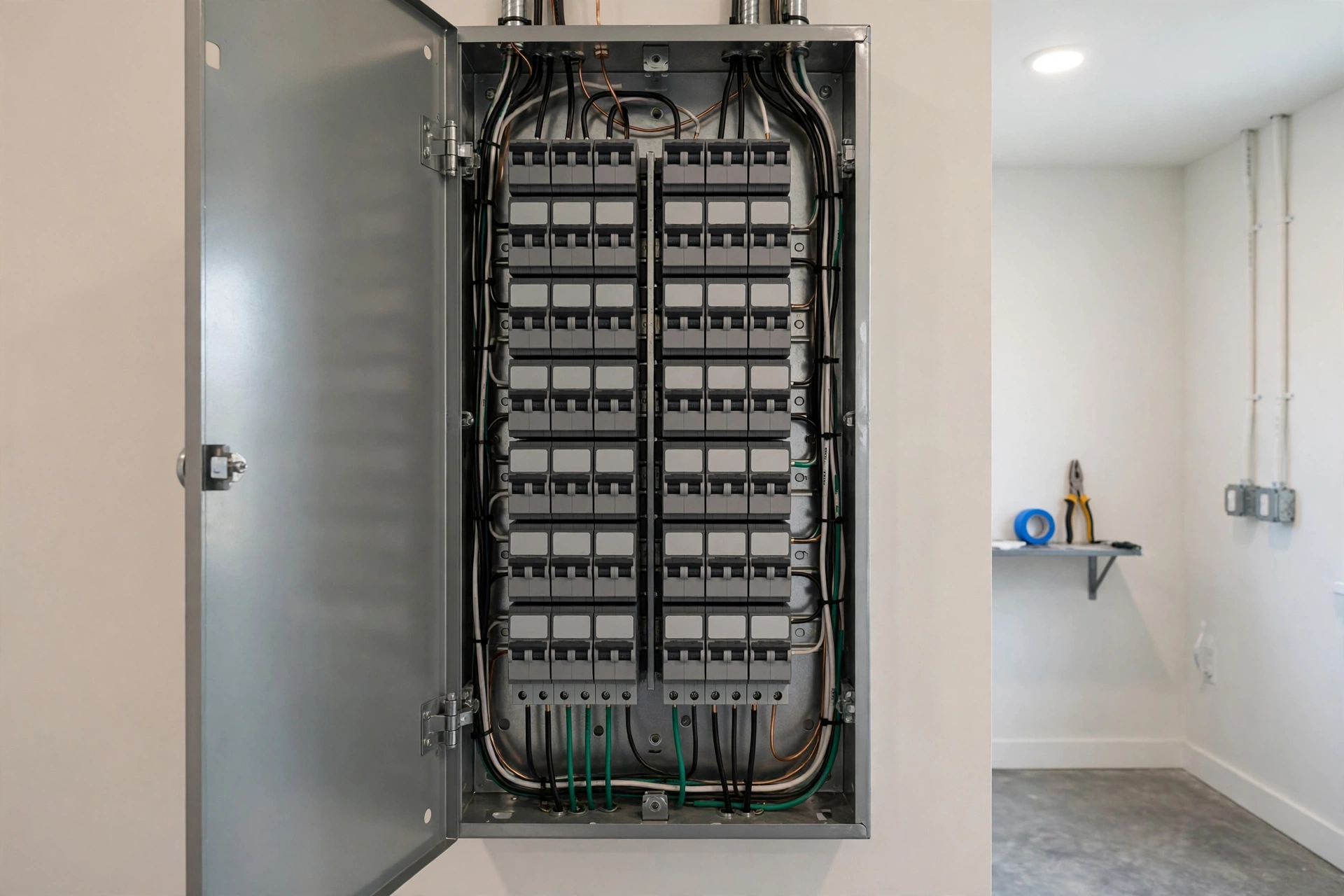
What is a panel upgrade for an EV charger, exactly?
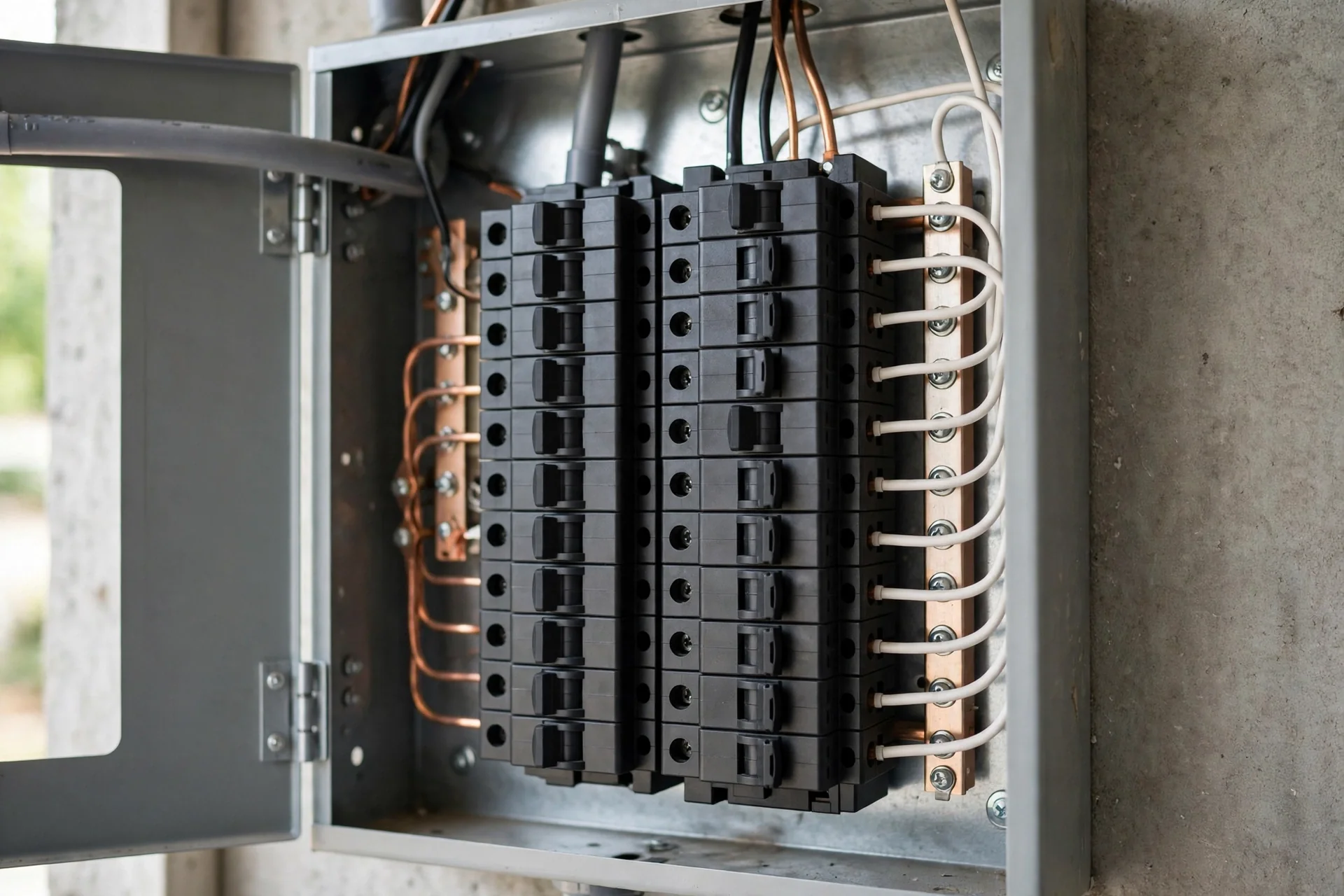
A panel upgrade for an EV charger is work that gives your home enough safe, legal electrical capacity to add a new charger circuit. That is the direct answer, and the words panel upgrade can mean four different jobs, so it helps to know which one someone is really talking about.
The biggest job is a full service upgrade. That means replacing a 100 amp main panel with a 200 amp panel, and often replacing the meter can, the service mast, and the grounding at the same time. Your home can then carry much more total load at once.
A smaller job is a subpanel. A subpanel does not add total capacity to the home. It adds breaker space, usually near the garage, when the main panel is physically full but the service itself is still large enough. Think of it as adding an extra breaker box fed from the main one.
A third job is a panel replacement without a size increase. That happens when the old panel is damaged, obsolete, or unsafe on its own. The new panel may still be 100 amps or 200 amps, but the point is replacing equipment that should not stay in service.
The fourth option is not a panel swap at all. A load management device watches how much power your home is using and slows or pauses charging when the house gets close to its limit. For many homes, that device is the whole answer, and no panel work is needed beyond the charger circuit itself.
Every one of these options starts the same way, with a load calculation. Until that calculation is done, no one knows which job, if any, your home needs. A quote given before the math is a guess, and a guess is a poor reason to open up your walls and your service entrance.
How does a load calculation work, step by step?
A load calculation adds up the electrical load your home already has, compares that total to the size of your service, and shows how much room is left for a charger. An honest electrician runs this math before recommending any upgrade, and you should be able to see the worksheet and follow it yourself.
The math comes from NEC Article 220 of the National Electrical Code. In plain English, Article 220 is the rule book for adding up loads in a home. It does not count every appliance at full power all at once, because real homes do not run that way. Instead, it uses set values for some loads and demand factors for others. A demand factor is a simple idea: some loads are counted at less than their full rating because they cycle on and off, or because they rarely all run at the same moment.
Here is the step by step an electrician follows.
Step 1: Count the base load of the home
The electrician starts with the size of the home. Article 220 assigns a base load for lighting and general outlets based on square footage. Then it adds set amounts for the small appliance circuits in the kitchen and the laundry circuit. This base number covers the everyday loads that are hard to list one by one, like lights, phone chargers, a television, and kitchen counter outlets.
Step 2: List the big fixed appliances
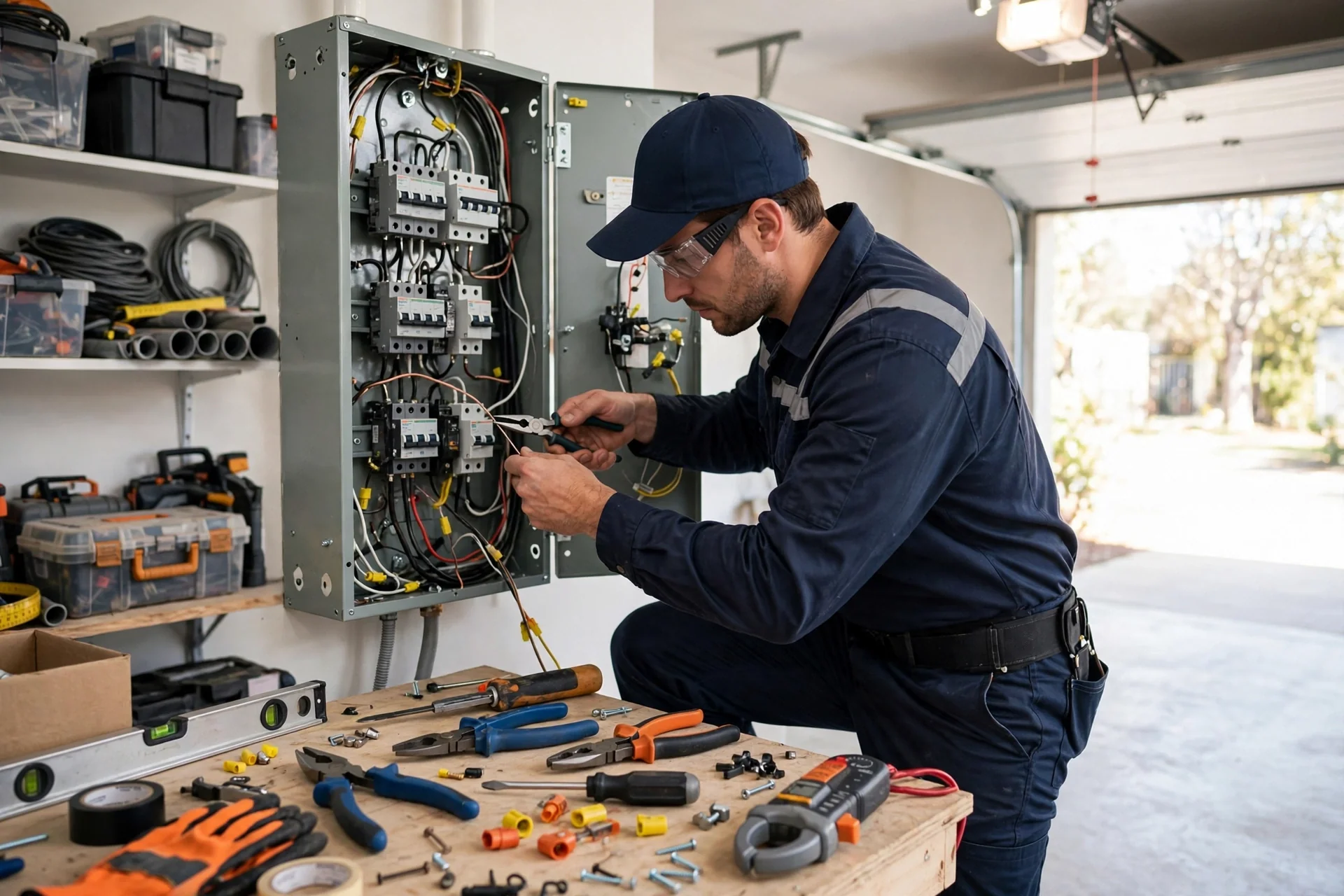
Next, the electrician lists the large appliances that are wired in or that draw a lot of power. In a typical Orlando home, that list includes the air conditioning system, the electric range or cooktop and oven, the clothes dryer, the electric water heater, and a pool pump if the home has a pool. A spa heater, a well pump, or a workshop tool can go on the list too.
Each item is counted by its nameplate rating, which is the load printed on the unit itself. Some of these loads then get a demand factor. A range, for example, is rarely used with every burner and the oven on high at once, so the code counts it at less than its full nameplate value. A dryer gets a similar treatment in many calculations.
Step 3: Take the larger of heating or cooling
In Florida, air conditioning is usually the single biggest load in the calculation after the base load. Article 220 does not add heating and cooling together, because the same system does not heat and cool at the same time. The electrician counts whichever is larger. In Orlando, that is almost always the cooling load, and it is counted at full value because the AC can run for hours on a summer afternoon.
Step 4: Add the EV charger as a continuous load
An EV charger is treated as a continuous load, which means it can run at full power for three hours or more. The code handles continuous loads with extra headroom, so a charger that delivers 40 amps of charging needs a 50 amp circuit, and a charger that delivers 48 amps needs a 60 amp circuit. The charger does not get a demand factor in a single family home calculation the way a range does. It is counted honestly, at the size you plan to install. That is also why choosing a 32 amp or 40 amp charger instead of a 48 amp charger can change the whole answer on a smaller panel.
Step 5: Compare the total to your service size
Last, the electrician adds it all up and compares the total to your service, such as 100 amps or 200 amps. If the total fits with room to spare, your panel can carry the charger and no upgrade is needed. If the total is just over the line, a smaller charger circuit or a load management device often brings it back under the line. If the total is well over, and it stays over even with those smaller steps, then a service upgrade is the honest answer.
A short worked sense of it looks like this. Picture a typical Orlando home with central air conditioning, an electric range, an electric dryer, an electric water heater, and a pool pump. On paper, the nameplates of those five items alone look huge, and added together at full value they would scare anyone. The calculation calms that picture down. The range and dryer are counted with demand factors, the water heater cycles on and off to hold temperature, and the pool pump runs on a schedule. The AC is the steady heavy load on a hot day. What is left after that realistic total is the room you have for charging, and in many homes that room is enough for a 32 amp or 40 amp charger, especially one that charges overnight when the range and dryer are off.
That is why this section matters so much. The number one fear we hear is being sold an upgrade a home does not need. The load calculation is the antidote to that fear. If an electrician recommends a full upgrade, ask to see the calculation. If there is no calculation, get a second opinion before you agree to the work. Our guide to how load management works, and when it can replace an upgrade, goes deeper in the load management and load calculation guide.
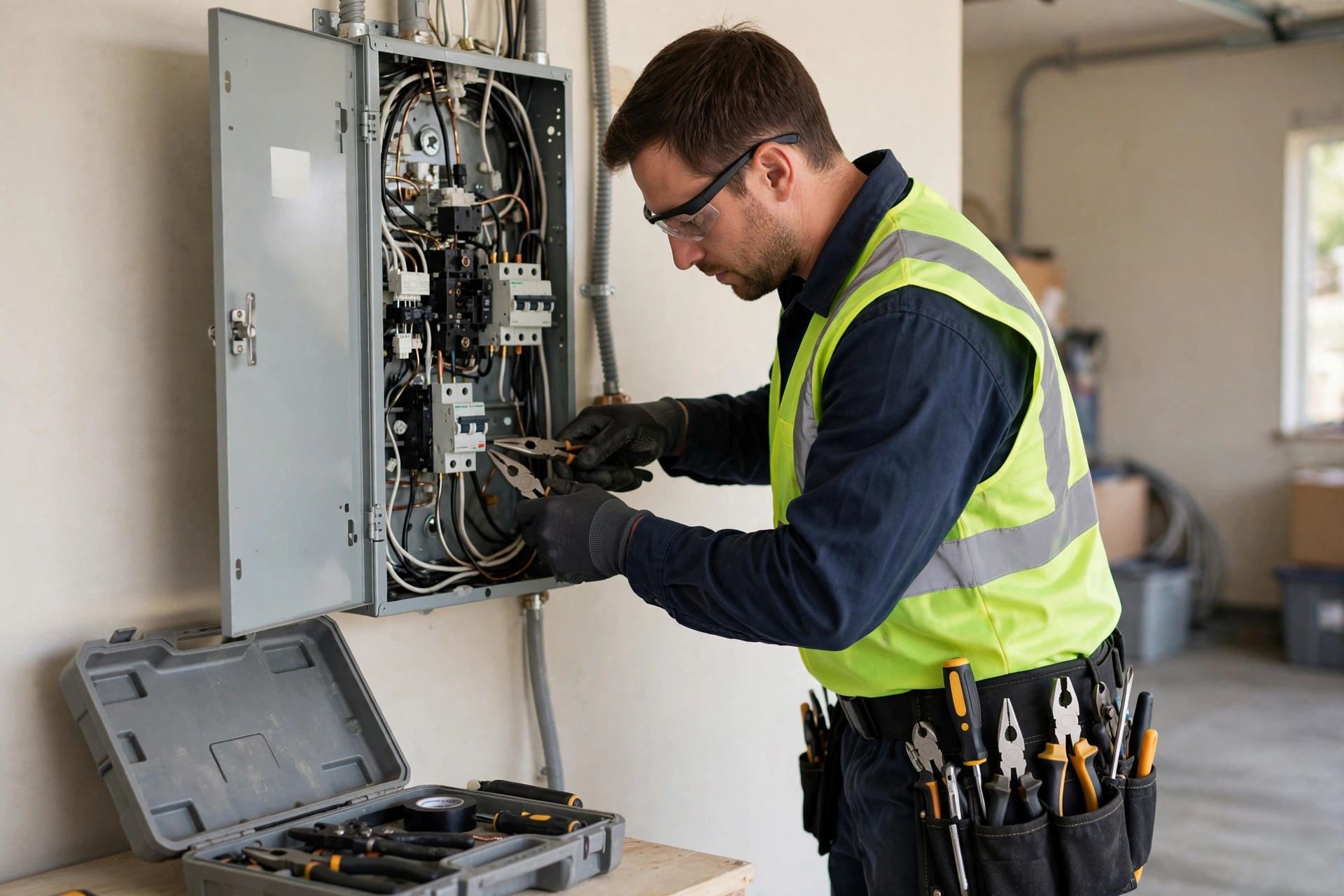
Can a 100-amp panel handle EV charging?
Yes, many 100 amp panels can handle EV charging, as long as the load calculation fits and the charger circuit is sized to the room that is left. Voltage is rarely the problem. Capacity is the question, and capacity is what the calculation answers.
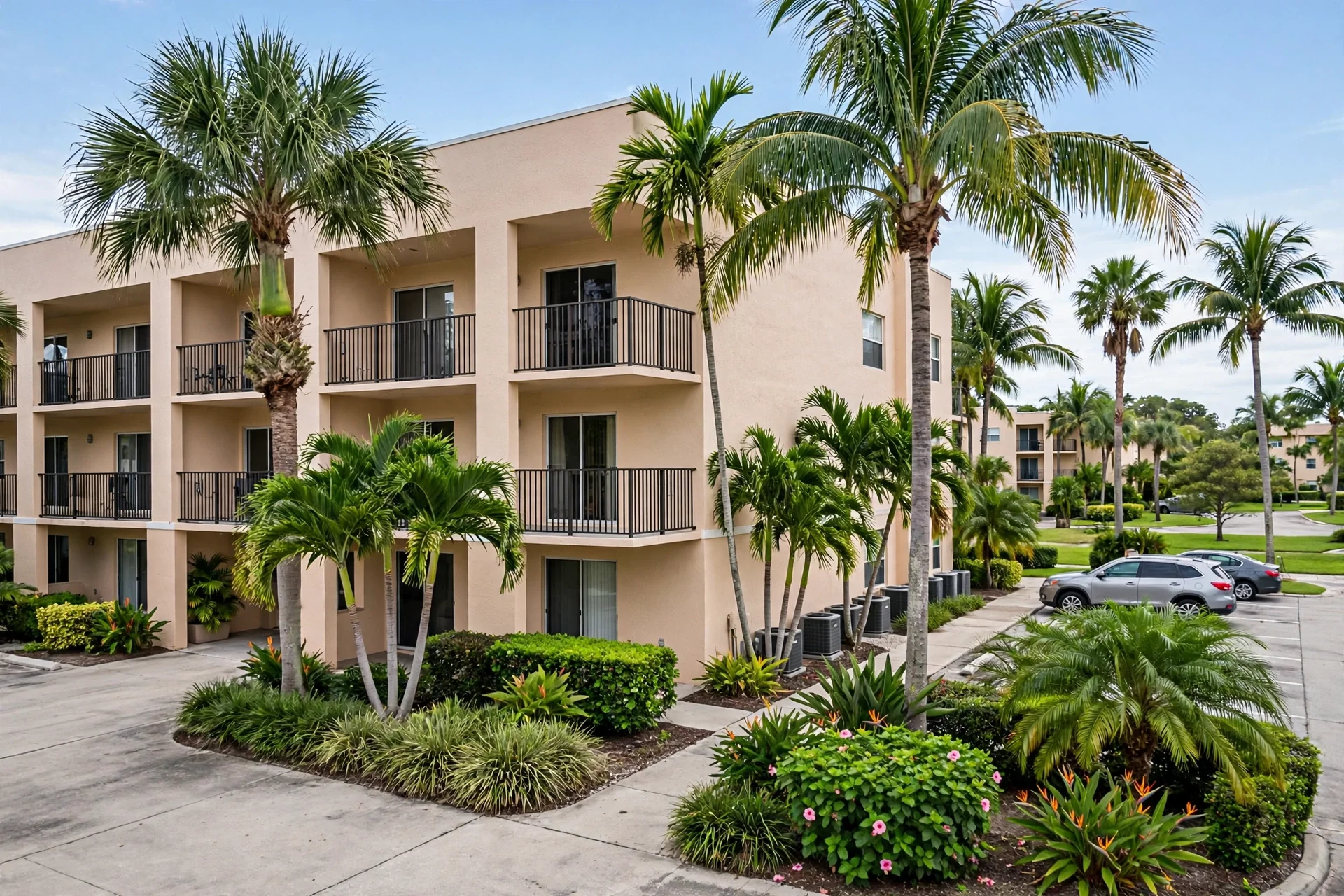
Most single family homes in Orlando have 240 volt service. Some condos and multi unit buildings are fed at 208 volts instead. A Level 2 charger works on both. At the same amp setting, a charger on 208 volts delivers less power than the same charger on 240 volts, simply because the volts are lower. The car still charges fine. It just adds miles a little more slowly during each hour of charging. For overnight home charging, most drivers never notice the difference.
On a 100 amp panel, two charger paths work well in a lot of homes. The first is a 32 amp charger on a 40 amp circuit. That setup adds a solid amount of range overnight and leaves more headroom for the AC and the rest of the house. The second is a 40 amp charger on a 50 amp circuit. That charges a bit faster and still fits many 100 amp homes when the rest of the load calculation is light, or when charging happens mostly overnight.
The path that gets tight on 100 amps is a 48 amp charger on a 60 amp circuit. That is the fastest common home setup, but it is also the largest continuous load in the house. On a busy 100 amp service with electric cooking, electric drying, and a pool pump, the calculation often will not support it on its own. That is where load management earns its keep, because the device can let a larger charger run at full speed when the house is quiet and slow it down for the short peaks when the house is busy.
If you want the full walk through for smaller services, with more examples, read our guide to installing a Level 2 charger on a 100 amp panel. It covers the same math from the charger side, including how charger choice changes the panel answer.
What if your home has a Federal Pacific or Zinsco panel?
If your home has a Federal Pacific or Zinsco panel, the answer often changes, because the concern is no longer just capacity. It is whether the panel itself can be trusted to do its basic job, which is to trip a breaker when a circuit is overloaded.
These panels were installed in a large number of homes built from the 1950s through the 1980s, and older Orlando neighborhoods have many of them still in service. That includes block ranch homes in areas like Azalea Park and Pine Hills, older bungalows in College Park, and many homes of the same era in Kissimmee and Altamonte Springs. The known problem is that some breakers in these panels may fail to trip when they should, and replacement breakers can be hard to find or costly because the brands are long out of production.
Adding an EV charger makes that weakness matter more, not less. A charger is a heavy load that runs for hours at a time, often overnight. That is exactly the kind of steady, long load where you want full confidence that the breaker protecting the circuit will trip if something goes wrong.
This is not a scare tactic, and it should not be used as one. The right move is simple. If your panel is one of these brands, have an electrician open it, check the condition of the breakers and bus bars, and tell you plainly what was found. In many cases, replacing the panel makes sense on safety grounds alone, even before the charger enters the picture. In that case, it often makes sense to size the new panel for the charger and for future loads at the same time, since the panel is being replaced anyway. If an electrician tells you a panel of this type must go, ask what was seen inside the panel. A straight answer should be easy to give.
Your Options, Compared
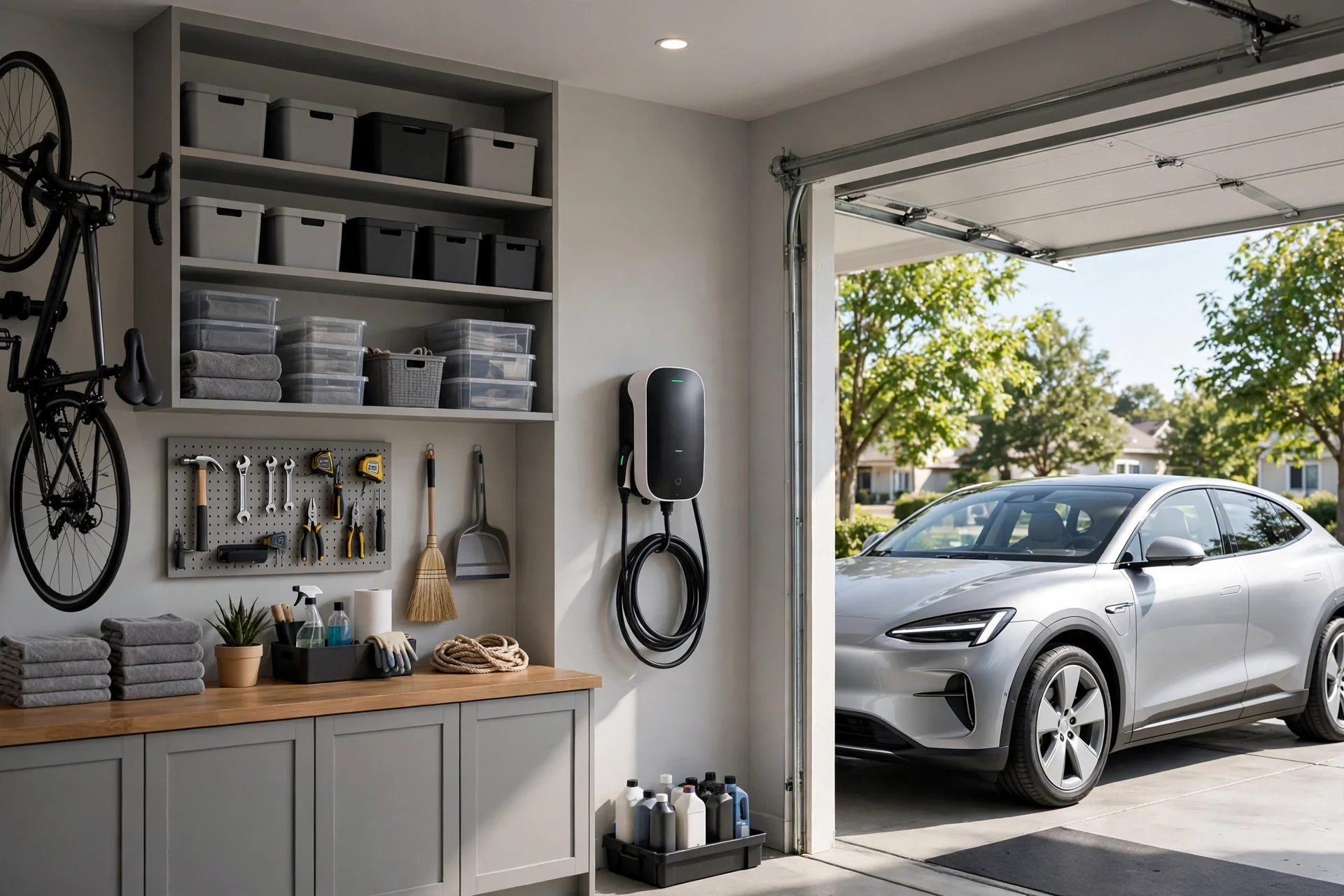
The right option is the smallest one the load calculation supports. Here is how the three main paths compare side by side.
| Load-Management Device | Subpanel | Full Service Upgrade (100A to 200A) | |
|---|---|---|---|
| What it does | Throttles EV charging when house peaks | Adds breaker space near the garage | Increases total home capacity |
| Ideal when | Panel nearly full but service is adequate | Main panel is full or far from garage | Service itself is undersized |
| Permit/inspection | Yes | Yes | Yes + utility coordination |
| Disruption | Minimal — small device at panel | Half-day panel work | Full-day with planned power outage |
A load management device is the smallest intervention. It uses clamps that read the total power the home is drawing, and it tells the charger to slow down or pause before the home reaches its limit. When the peak passes, charging returns to full speed on its own. Most charging happens overnight, when peaks are rare, so most drivers lose very little real charging time. Read the full explanation in the load management guide for EV chargers.
A subpanel is the middle path. Choose it when the service is large enough but the main panel has no free breaker space, or when the main panel is far from the garage and a subpanel near the parking spot makes the wiring cleaner. A subpanel does not raise the total capacity of the home, so it only works when the load calculation already fits.
A full service upgrade is the largest path. Choose it when the service itself is too small for the home plus the charger, when the old panel needs replacement anyway, or when you are planning ahead for a second EV and other new loads. It is real construction on your service entrance, which is why it should be the answer the math leads to, not the first product offered.
The same smallest fix logic applies to the charger itself. A professionally installed NEMA 14-50 outlet on a right sized circuit is sometimes the answer that avoids panel work altogether, because a plug in charger can be set to a lower amp level that fits the room your panel has.
How It Works
1. Panel inspection and load calculation
A qualified electrician opens your panel, documents the breaker layout, wire sizes, and panel condition, then runs the NEC load calculation against your service size. You get a straight answer: it fits, it fits with load management, or it needs an upgrade.
2. Upgrade plan and utility coordination
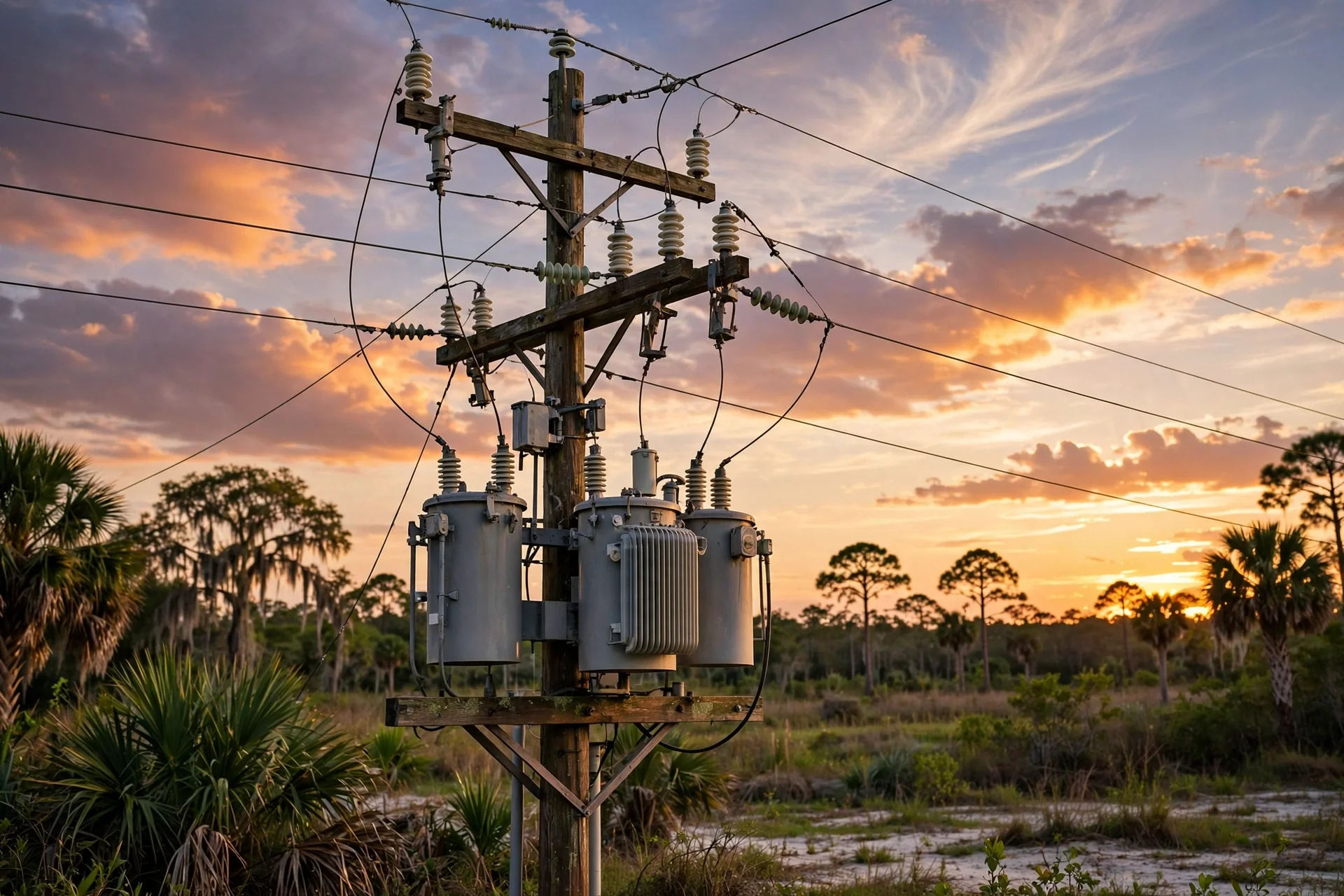
If work is needed, we plan the new service size, which is typically 200 amps for a full upgrade, coordinate with your utility for the service entrance disconnect and reconnect, and pull the permit.
3. Panel upgrade or subpanel install
We swap the panel or add the subpanel, upgrade grounding to current code, install whole home surge protection on request, which is strongly recommended in lightning prone Central Florida, and label every circuit clearly.
4. EV charger circuit and inspection
With capacity confirmed, we run the EV charger circuit, schedule the inspection, and test everything under full load.
Should you add surge protection during a panel upgrade?
Yes, in Central Florida a panel upgrade is the best moment to add whole home surge protection, and it is worth doing. The Orlando area gets frequent lightning and frequent power surges that come with storms, and those surges travel into the home through the service entrance, which is exactly where the panel sits.
A whole home surge protector is a device installed at the panel. When a surge comes in, the device absorbs and diverts the extra voltage before it spreads through your circuits. It does not stop a direct lightning strike, and no device in a panel can promise that. What it does is reduce the damage from the far more common smaller surges, the ones that wear out electronics a little at a time or take out a charger, an AC control board, or a refrigerator in one event.
An EV charger is worth protecting for a simple reason. The charger itself has electronics in it, and it is connected to your car, which has far more electronics in it. Protecting the panel protects both, along with every other appliance on the system. Adding the device during a panel upgrade is also the lowest cost moment to do it, because the panel is already open and the electrician is already working in it. If your panel is not being upgraded, surge protection can still be added on its own, and it is a small job next to the cost of the equipment it protects.
What permits and utility steps are needed in Orlando?
Yes, panel and service work in Orlando needs a permit and an inspection, and a full service upgrade also needs coordination with your utility. Skipping the permit is not a saving. It is a risk that follows the home into insurance questions and future sales.
For homes inside city limits, the electrical permit comes through the City of Orlando. For homes outside city limits in the county, the permit comes through Orange County. In both cases, the permit covers the panel or service change, the inspector checks the finished work, and the job is closed out only after that inspection passes. The inspector verifies that the panel and breaker ratings match the permit, that wire sizes are correct, that grounding and bonding meet current code, that circuits are labeled, and that the required clear working space in front of the panel is clear.
Larger service jobs in the City of Orlando carry an extra step that catches many homeowners by surprise. On larger jobs, the city can require an engineering permit in addition to the electrical permit, and a recorded Notice of Commencement can be required for jobs over five thousand dollars in value. Your electrician should handle both as part of the job paperwork, confirm which ones your job needs before work starts, and tell you if a document needs your signature for recording.
Utility coordination is the other half of a full service upgrade. The utility that serves your home depends on where you live. OUC, the Orlando Utilities Commission, serves much of the City of Orlando. Duke Energy serves large parts of Orange County and surrounding areas to the west and south. FPL serves areas further east and in parts of the wider Central Florida region. For a service upgrade, the utility must disconnect power at the service, the panel and service entrance work is done, the city or county inspection takes place, and then the utility reconnects and reseals the meter. That order matters, and it is why a full upgrade takes a planned day with a scheduled outage, rather than a quick swap. Subpanels and load management devices do not need a utility disconnect, which is one more reason they are simpler jobs.
How much does a panel upgrade for an EV charger cost in Orlando?
The honest answer is that cost follows scope, and scope follows the load calculation. There is no single price for this work, and any exact quote given before your panel is inspected and the math is run should be treated with care.
The load management route is the smallest scope and usually the lowest cost path when it works for your home. The work is the charger circuit plus a monitoring device at the panel. There is no service swap, no utility disconnect, and no long outage, so both the labor and the materials stay limited.
A subpanel sits in the middle. The cost covers the subpanel itself, the feeder wire that runs from the main panel to the subpanel, breakers, and the labor to install and label it. Distance matters a lot here. A subpanel on the other side of the same garage wall costs far less to feed than one at the far end of a long home with a finished attic in between.
A full service upgrade is the largest scope. Commonly, a full 100 amp to 200 amp service upgrade falls in the 2,000 to 5,000 dollars range nationally, with Orlando jobs varying by scope above and below the middle of that range. The factors that move a job inside that range are the condition of the meter can and mast, whether the service line and grounding need to be brought up to current code, how much rework the existing circuits need in the new panel, permit and utility fees, and whether drywall or other finishes must be opened and repaired. A straightforward swap in an open garage sits at the low end. A job that needs a new mast, a meter move, and grounding work sits at the high end, and some complex jobs go above it.
Two things keep costs honest. First, compare quotes on the same scope. A low quote for a charger circuit alone and a high quote for a full service upgrade are not two prices for the same job, and the cheaper one is not a better deal if the calculation says the circuit alone will not pass. Second, remember that you may not need the largest job at all. Many Orlando homes land on the load management or subpanel path once the math is done, and that is real money saved for the same safe result. For a full breakdown of what drives EV charger pricing in general, see our guide to EV charger installation cost factors.
Why Choose Us for Panel Upgrades
- Qualified electricians — panel and service entrance work is strictly regulated trade work in Florida, and we do it daily
- Load calculation before every recommendation — upgrades are prescribed by NEC math, never by upsell
- Permits and utility coordination handled — we manage the utility disconnect and reconnect scheduling
- Code-compliant work — proper grounding, arc fault and GFCI protection where required, labeled directories
- Orlando local expertise — we know OUC, Duke, and FPL service territories and each utility process
- EV-aware sizing — we size the new service with your charger, and a possible second EV, in mind, not just today loads
A tripping charger is not always a panel problem — sometimes the charger itself is at fault. That diagnosis is what our charger troubleshooting and repair service is for, and it is the honest first step before anyone quotes you a new panel.
Panel Upgrade Service Areas
Winter Park 32789 · Kissimmee 34741 · Altamonte Springs 32714 · Downtown Orlando 32801 · Lake Nona 32827 · Windermere 34786 · Dr. Phillips 32819 · Oviedo 32765
Frequently Asked Questions
Will my home's electrical panel handle a Level 2 charger?
It depends on the load calculation, not the panel age or a visual guess. We total your home existing loads per NEC Article 220 and compare against your service size. Many 100 amp Orlando homes can support a 32 amp or 40 amp EV circuit. Some need load management or an upgrade. The calculation takes the argument out of it.
How do I know if my panel needs an upgrade before the charger goes in?
Four things decide it: service size and spare capacity shown by the load calculation, physical breaker space in the panel, the panel brand, age, and condition, since damaged bus bars or obsolete panels are red flags, and the wire route from the panel to the parking spot. That assessment determines the circuit size, whether an upgrade is needed, and the full scope of work.
What size circuit should I run for future EV charging in a new build?
Run a 60 amp circuit, for 48 amp charging, to the garage at minimum. Wire is less costly during construction and more costly to add later. If the budget allows, run conduit for a second future circuit or size for two EV power sharing. New Lake Nona and Horizon West builds are often pre wired. We verify and complete those rough ins too.
Can load-management devices avoid a full panel upgrade?
Often, yes. A load management device monitors your home total draw with current transformer clamps and automatically reduces EV charging when the house approaches its service limit, then restores full charging overnight when loads drop. It is a code recognized approach that costs far less than a service upgrade and works well for households whose peak loads, like AC, dryer, and oven, rarely coincide with overnight charging.
Should I add surge protection when upgrading my panel?
In Central Florida, yes, strongly. The Orlando area sees frequent lightning and storm related surges, and a panel upgrade is the ideal moment to add whole home surge protection at the service entrance. It protects the EV charger, the car onboard electronics, and every other appliance in the house. We recommend it on every upgrade we do.
What happens during an electrical panel inspection in Orlando?
The inspector verifies the permit matches the work: correct panel and breaker ratings, proper wire sizing, grounding and bonding to code, labeled circuits, required clearances in front of the panel, and GFCI and arc fault protection where the code requires it. We schedule the inspection, meet the inspector, and correct any notes. You do not need to be involved.
Can a 100-amp panel support EV charging at 240V or 208V?
Voltage is not the obstacle. Capacity is. A 100 amp service at 240 volts delivers more power than the same service at 208 volts, and whether a charger fits depends on what the load calculation says the house already uses. Many 100 amp homes can run a 32 amp or 40 amp charger outright. For a full 48 amp setup, the honest options are load management or an upgrade. Our guide to installing a Level 2 charger on a 100-amp panel works through the math in detail.
What does a main panel upgrade for a home EV charger actually involve?
Five steps: the load calculation that proves the upgrade is needed, utility coordination for the service entrance work, the panel swap itself, with meter can and mast replaced if required, re labeling and re terminating your existing circuits in the new panel, and the permit inspection that closes it out. Most homes are without power for part of one day. It is the largest version of this job, which is exactly why we only recommend it when the calculation leaves no smaller answer.
Do I need an electrical panel upgrade for an EV charger?
Only if the load calculation says so. That is the direct answer. Many homes do not need one, because a 32 amp or 40 amp charger fits the room their panel already has, or because a load management device handles the short peaks. You need an upgrade when the calculation shows the service is too small even with those smaller steps, or when the panel itself is damaged or is an obsolete Federal Pacific or Zinsco panel that should be replaced on its own. Ask for the calculation before you accept any recommendation.
How much does a panel upgrade for an EV charger cost in Orlando?
It depends on which job your home actually needs. A load management device route is the smallest scope and the lowest cost path. A subpanel sits in the middle, with cost driven mainly by the distance the feeder wire must run. A full 100 amp to 200 amp service upgrade commonly falls in the 2,000 to 5,000 dollars range nationally, and Orlando jobs vary by scope, including meter and mast condition, grounding updates, permit and utility fees, and how much circuit rework the new panel needs. No exact price can be promised before an inspection and a load calculation, and a quote given without them is a guess.
Find Out What Your Panel Can Handle
A load calculation gives you the real answer — not a guess, not an upsell.
Back to EV Charger Installation Orlando